
Philosophy of Nature (Ancient Greece)
Curiosity seems to be one of humanity’s most important traits. It underlies focus, interest and insight, and thus forms the soil of creativity.

Curiosity seems to be one of humanity’s most important traits. It underlies focus, interest and insight, and thus forms the soil of creativity.

Reading is perhaps the most crucial skill in philosophy. But its benefits reach far beyond the field, with profound impact on many life dimensions.

Well, I wasn’t lying about the year kicking off with a challenge. The semester is about to end and my workload grows seemingly exponentially.

Started rough, but kept going. Altogether, better than expected.

I used the past few months for a first glance at philosophy, and so far, I’m enjoying it greatly. It’s not what I had expected.

This weekend, I attended my first philosophy seminar. It was very different from what I expected, but proved surprisingly invigorating—and exhausting.

In closing, I’d like to highlight that this here is not the full picture. There is much more to say, but I cannot publish the relevant evidence without serious risk.

I guess it’s safe to consider my data criticism rather extensive, but there are other layers to consider. And though they are much less obvious, they seem far more important.

As one of the most famous philosophers, Immanuel Kant has left a rather impressive mark on human history. One of his achievements regards to practical philosophy, which aims to understand human behaviour and its guiding logos (or rationality).

As one of theoretical philosophy's core areas, epistemology concerns the notion of knowledge. Even Plato contemplated the difference between knowing and conviction, and formulated a definition that would remain relevant for more than two millennia.

One of the coolest insights I've had since engaging with philosophy caused a shift in my understanding of liberty, perhaps the field's most central concept. Though we all know what it means, only few can explain it, and fewer still define it.

My recently started philosophy education is much more hands-on than anticipated, and I absolutely love it. Right away, students are encouraged to engage with the material as actively as possible, e.g. by summarising chapters in their own words. Here, I share one of my first such summaries.

whistleblowing
This post is part of an on-going series. If you feel lost, you can get an overview here or jump to the start here. Slowly but surely, the whistleblowing column in coming to a close. Yesterday, I finally finished the data criticism. It turned out rather expansive, but that was

whistleblowing
At long last, we arrive at this investigation’s final stop: Another PhD thesis of the same department. It resembles Fis’ in many ways—similar inconsistencies, problematic data, self-contradictory claims… but with one decisive difference: It actually shows data, and thus enables scrutiny.

philosophy
Until now, a major aspect of this blog concerned the detailing of my burnout and its underlying circumstances. That will change.

whistleblowing
The next publication on our retrograde path laid the foundation for the project's future, and is thus the most critical. Actual data is still eerily scant (especially for a PhD-thesis), and what little is provided is either unconvincing, or contradictory—and even just a glance reveals it.
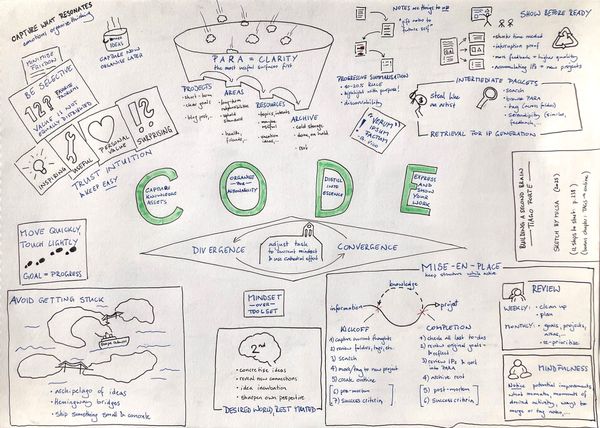
sketchnote
Every now and then I find myself reorganising all the media and documents that accumulate so quickly. No matter what system I try, time and again, chaos ensues—but I'm hopeful these lessons will do the trick.
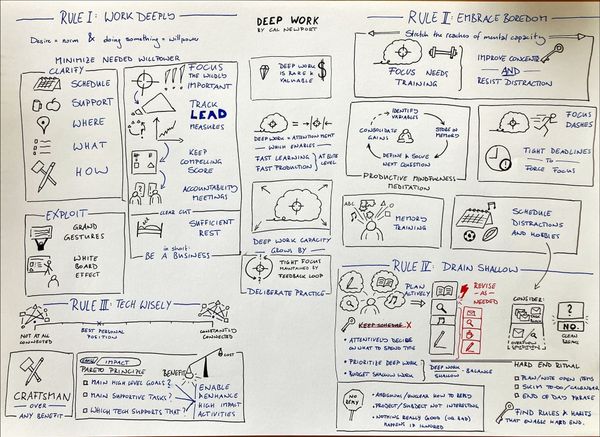
sketchnote
I first came into contact with sketch-noting earlier this year, when—out of the blue—I was gifted a brief subscription to verbal to visual. Since then, I've gradually incorporated the concept into my life, and I have to say, it's really impressive how many benefits
whistleblowing
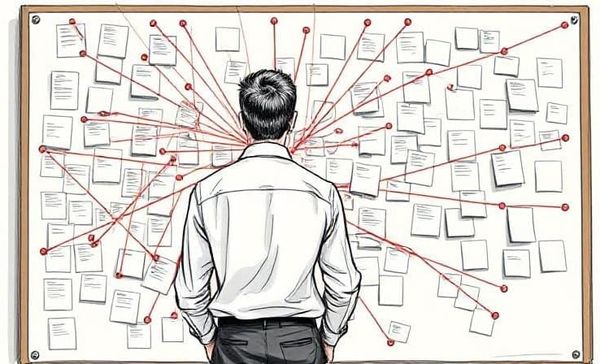
Finally, it is time for the data criticism. Even though the real issues lie elsewhere, it is my position’s cornerstone—and will reveal a shameful side of science.

sketchnote
This week's post is a little different and a first glimpse into one of the blog's planned columns: a sketchnote. More precisely, a summary of Nathaniel Branden's "The six pillars of self-esteem". It was a lot of fun to work out and—being very new to this—I learned a lot.
whistleblowing
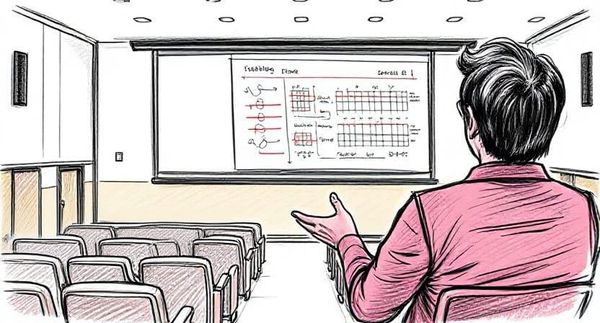
The dissatisfying ruling left me confused and unable to let go. I was tired, but not yet done. With academia lacking appropriate venues, I had to find my own way.
whistleblowing
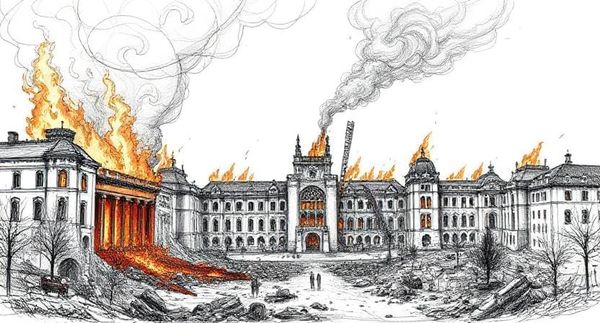
Sending off the indictment was like firing a flare; the last option to signal my distress. All I could do was wait and hope for help. But help would not arrive. Over the next year, I would only grow ever more jaded by the state of modern academia.

whistleblowing
In growing need of clarity, I finally reached out for help, unaware the step would only mark the beginning of a surreal and taxing journey.
whistleblowing
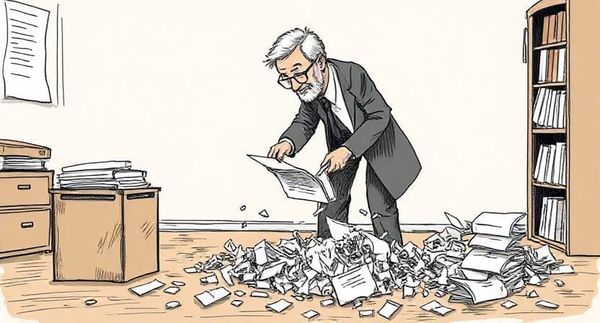
Presenting my findings to a larger audience sent waves through the system. But they swiftly faded after crashing against rocks of denial. If I wanted clarity, I’d have to press on.